
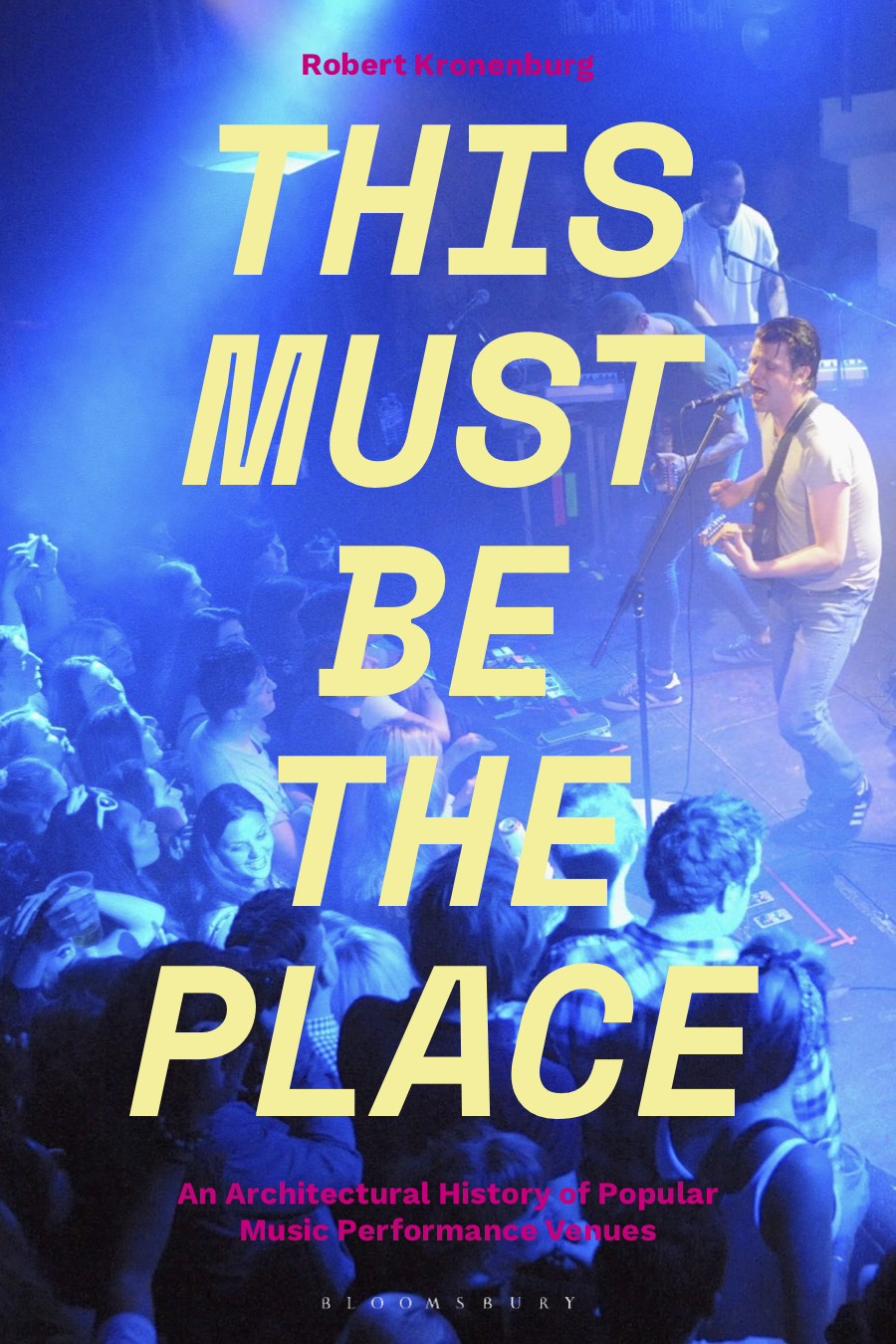
This Must Be The Place: An Architectural History of Popular Music Performance Space
2019, Bloomsbury, New York, 286pp. ISBN 9781501319280
This Must Be The Place is the first architectural history of popular music performance space, describing its beginnings, its different typologies, and its development into a distinctive genre of building design. It examines the design and form of popular music architecture and charts how it has been developed by building owners, promoters, and the musicians themselves as well as professionally by architects, designers, and construction specialists.
Architecture in Motion: The History and Development of Portable Building
2014, Routledge, Oxford, 328pp. ISBN 978-0-415676373
The idea that architecture can be portable is one that grabs the imagination of both designers and the people who use it, perhaps because it so often forecasts a dynamic and creative solution to the complex problems of our contemporary mobile society. This book examines the development of portable, transportable, demountable and temporary architecture from prehistory to the present day. From familiar vernacular models such as the tent, mobile home and houseboat, to ambitious developments in military and construction engineering.

Live Architecture: Popular Music Venues, Stages and Arenas
2012, Routledge, Oxford, 200pp. ISBN 978-0-415-56192-1
Live Architecture explores the physical form of popular music performance space from 1960 to the present day. It quantifies the factors that determine what makes a venue successful focusing on both famous and less well-known examples from the smallest barroom music space to the largest stadium-filling rock set. Including a range of case studies, the book analyses some of the most significant popular music venues, events and landmarks in the world. The detail of how a venue is created, how it is constructed, and the acoustic and visual environmental factors that impact on its success are examined here.
Flexible: Architecture that Responds to Change
2007, Laurence King, London, 237pp. ISBN 978-1-85669-461-2
Flexible architecture adapts to new uses, responds to change rather than stagnating, and is motive rather than static. Understanding how it has been conceived, designed, made, and used helps us understand its potential in solving current and future problems associated with technological, social, and economic change. This book explores the whole genre of flexible building that is intended to respond to evolving situations in form, operation, or location. Crossing the boundaries between architecture, interior design, product design, and furniture design, this innovative book is the first to deal with the entire scope of the topic. Also published in Chinese, French, and Spanish editions.
Portable Architecture: Design and Technology
2008, Birkhauser, Germany, 160pp. ISBN 978-3-7643-8324-4
This book discusses the forerunners, present context, and technology of portable architecture. It documents numerous international examples, organised by areas of application, and offers a broad array of suggestions for practical design. Through a wide range of case studies the design of mobile structures used in extreme situations, such as the Antarctic or in the aftermath of natural catastrophes, is explored, as are commercial, exhibition and entertainment facilities. Also published in a German language edition.
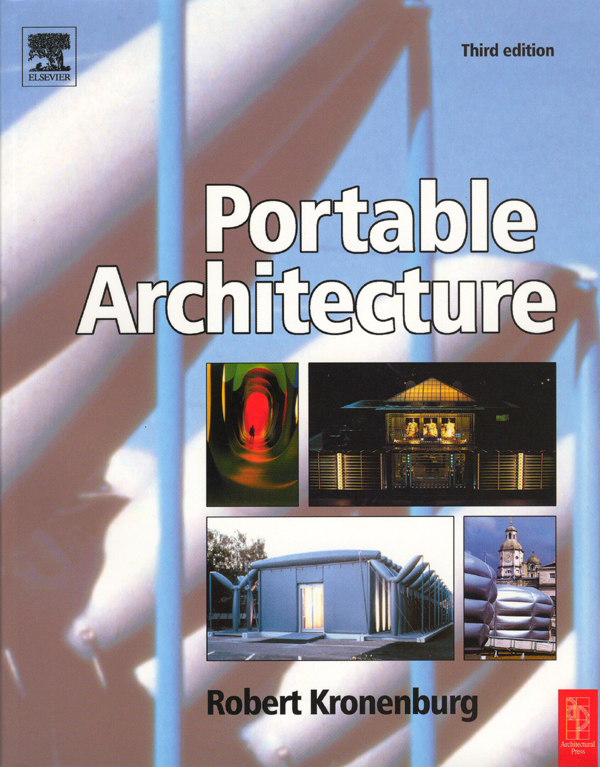
Portable Architecture
2003, 3rd expanded edition, Architectural Press, Oxford. 274pp. ISBN 0-7506-5653-0
This third revision of Portable Architecture shows that such buildings are eminently feasible, are capable of a wide range of roles, as well as being economic to build and operate. Technical and design details are examined through a series of high profile works – showcasing the very best and diverse range of portable architecture, proving it can be subversive as well as sensitive, amusing as well as appropriate, energetic and economic.
Spirit of the Machine: Technology as an Inspiration in Architectural Design
2001, John Wiley, London. c.128pp. ISBN 0-471-97860-4
Spirit of the Machine examines the influence that science and industry has had in the inspiration of design, with particular emphasis on the field of architecture. Using case studies, it explores the expression of technology in all areas of the built and manufactured environment concentrating on current and future developments, and their exponents. It speculates about a new design approach that explores innovative and alternative technologies and compares the technological design work of engineers and scientists with architects.

Houses in Motion: The Genesis, History and Development of the Portable Building
2002, 2nd expanded edition, John Wiley, London. c.168pp. ISBN 0-470-84331-4
This book explores the genre of portable, transportable, demountable and temporary architecture. Moving buildings are among the earliest artifacts created by man, and yet they have a persisting relevance that enables a Bedouin tent to exist in the same world as a 90,000–ton aircraft carrier. In this revised edition of the 1995 definitive study, the development of the moveable building from prehistory to the present day is examined. The philosophical and technological issues raised by contemporary, experimental and futuristic prototypes are examined.
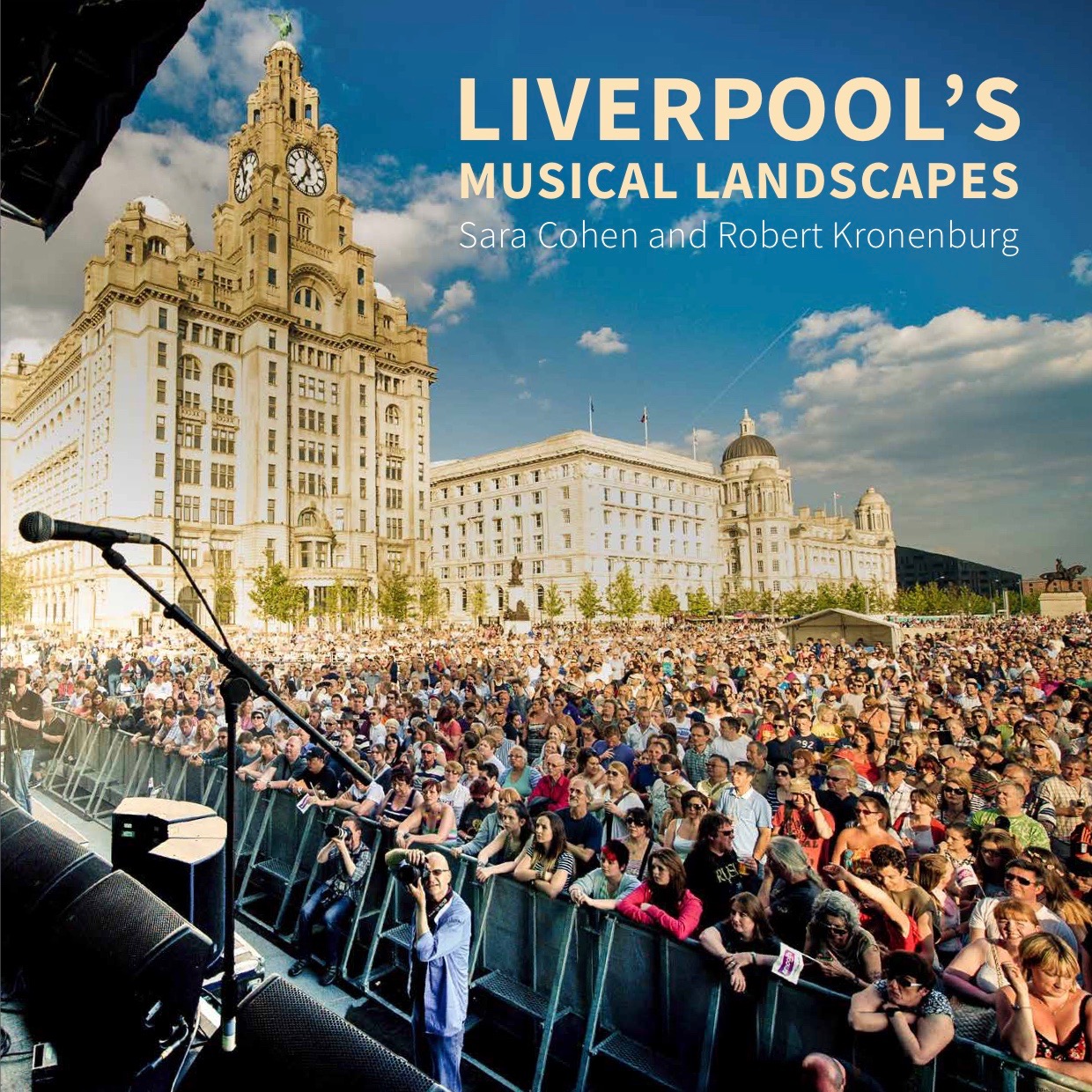
Liverpool’s Musical Landscapes
2018, With Sara Cohen (co-authors). Historic England, Swindon, 247pp. ISBN 978-1-84802-284-3
This book examines Liverpool’s popular music through the history of the places where it has been performed and examines their role and significance. It explores the richness of Liverpool’s live performance scene and tells a story of changing music sites, sounds and experiences. The book touches on groups and artists involved with many diverse musical style and brings new and fascinating information on well-known historic venues such as the Cavern Club and the Blue Angel, as well as new ones such as the Echo Arena. With a glossary of artists and venues, previously unpublished photographs, illustrations and music maps. Liverpool’s musical landscapes are investigated in unprecedented detail and depth.

 Robert Kronenburg